Among Hong Kong residents aged 60 or above, 9.7 percent suffer from dementia. This progressive decline in cognitive function can lead to emotional instability, loss of self-care ability, and in severe cases, even violent tendencies, placing immense physical and psychological pressure on caregivers.
Alzheimer's disease is a common type of dementia, accounting for 60 to 70 percent of cases. Its diagnosis can be based on the Diagnostic and Statistical Manual of Mental Disorders, Fifth Edition (DSM-5) criteria, requiring confirmation of significant decline in multiple cognitive functions that already affects daily living abilities.
Dementia Patients May Lose Self-Care Ability – Mahjong Might Help
Recent research shows that the abnormal accumulation of amyloid beta plaques and pathological Tau protein in the brains of Alzheimer's patients are key biomarkers, detectable through positron emission tomography scans. It is noteworthy that these proteins can also be present in the brains of cognitively normal elderly individuals, and their levels are not directly correlated with the severity of the condition.
Current treatment options primarily focus on slowing deterioration. For example, the latest anti-amyloid monoclonal antibody drugs are suitable for early-stage patients. Clinical data shows that an 18-month treatment course can delay symptom progression by approximately six months. While not a cure, it offers hope for controlling the condition.
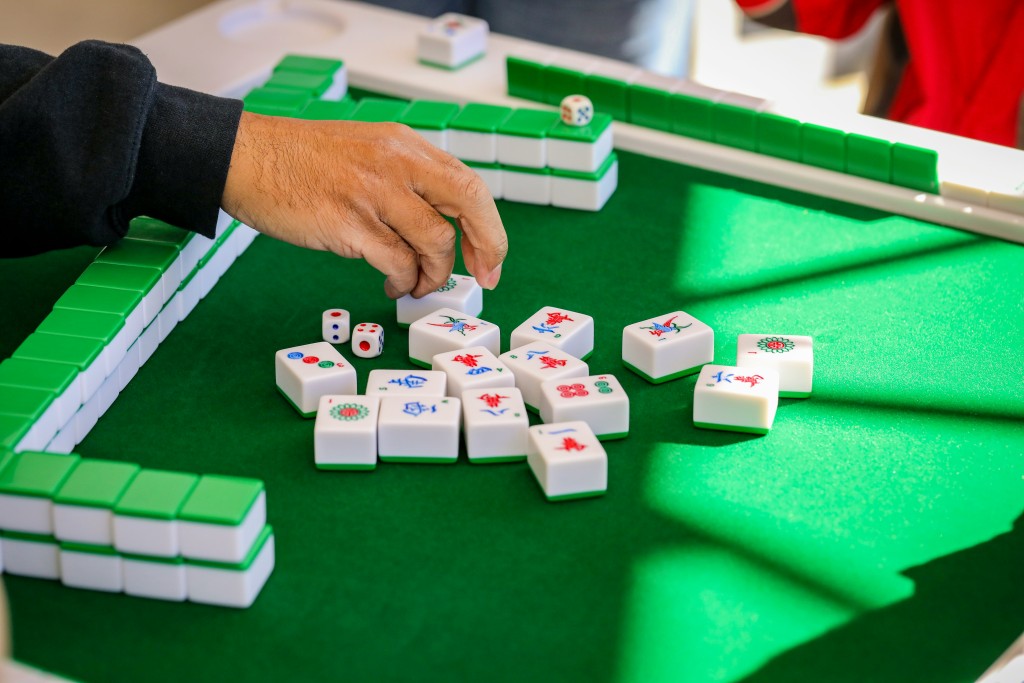
Preventative strategies for dementia are fundamentally based on maintaining a healthy lifestyle and the early management and control of chronic diseases. Cognitive training is also a practice actively promoted by the healthcare community, among which playing Mahjong has shown quite significant effects.
Mahjong is a game that requires high levels of concentration and strategic thinking. Participants need to remember tiles, observe opponents' moves, and formulate corresponding strategies. This complex cognitive activity can activate multiple areas of the brain, including those responsible for memory, attention, and executive function, greatly enhancing brain function.
On a psychosocial level, playing Mahjong can also improve cognitive ability. Through interaction with friends or family, participants can gain emotional support and psychological satisfaction, helping to alleviate loneliness and depressive mood – both risk factors for cognitive impairment. Furthermore, playing Mahjong requires frequent use of the hands. Research indicates that the extending and contracting movements of the hands, including fingers, can promote blood circulation in the brain, allowing blood to permeate brain nerve cells, regulate brain tissue metabolism, and maintain brain health.
Playing Mahjong to Prevent Dementia
It is recommended to pay attention to the following points while playing Mahjong to achieve benefits for both body and mind and help prevent dementia:
- Avoid Excessive Gambling: Small stakes might increase motivation and enjoyment, but if the goal becomes gambling, it can increase emotional stress, elevate unnecessary adrenaline and cortisol levels, and conversely harm cardiovascular and cerebrovascular health.
- Frequency and Consistency: Research suggests that elderly individuals who play Mahjong regularly (about once per week) can obtain significant cognitive protective effects. Incorporating Mahjong into routine daily entertainment contributes to physical and mental well-being.
- Moderation and Balance: A typical Mahjong session consists of four rounds. After each round, take a short break, leave the seat to walk around and stretch for over ten minutes to avoid other health issues caused by prolonged sitting.
- Avoid Using Automatic Mahjong Tables: Opt for traditional manual tile shuffling whenever possible to increase hand movement opportunities and promote blood circulation.
- Choose Brain-Healthy Snacks: If having snacks while playing Mahjong, consider nuts rich in Omega-3 fatty acids or the mineral magnesium. Walnuts, almonds, and cashews are good choices; highly processed foods like potato chips are best avoided.
- Social Interaction: It is recommended to play with family, friends, or community members to enhance emotional connection and mental health.
- Combine with Other Cognitive Activities: It is advisable to combine Mahjong with other activities like reading, puzzles, Sudoku, and learning new skills to comprehensively enhance brain function.
As a leisure activity, Mahjong has significant utility in preventing dementia. By activating brain function, improving mental health, and promoting cerebral blood circulation, it provides an effective health maintenance method for the elderly. It is hoped that more comprehensive medical research in the future will elevate this local cultural activity, Mahjong, into an innovative solution for addressing the global challenge of population aging.
(Authored by Dr. Chu Yin-man, Senior Lecturer, School of Nursing and Health Studies, Hong Kong Metropolitan University)